
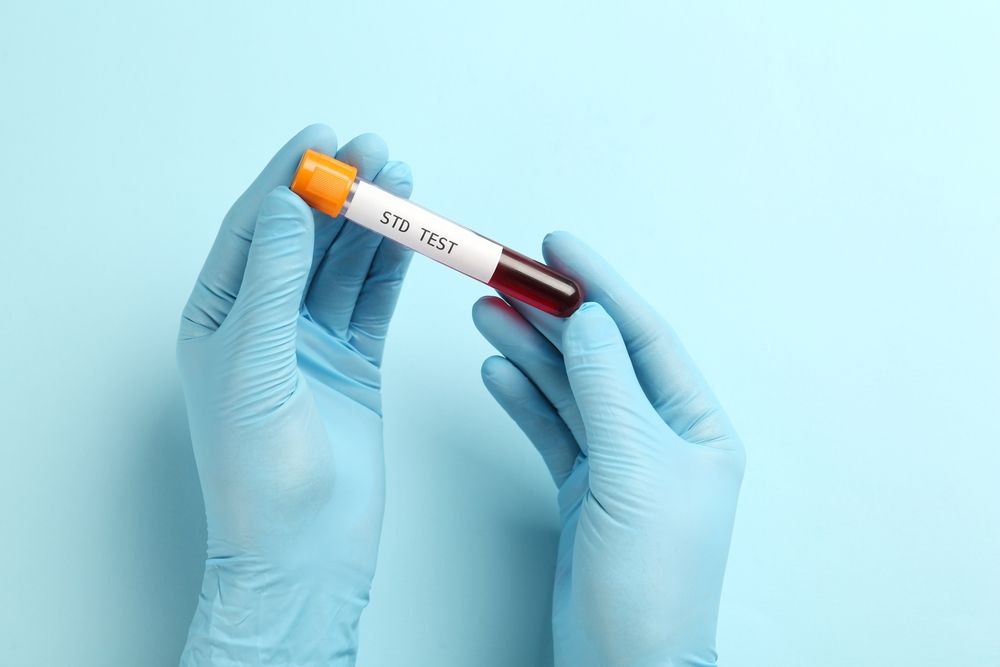
Understanding how hepatitis B and C fit into the broader landscape of sexual health testing helps people make informed decisions about their wellbeing. These viral infections affect the liver and can be transmitted through intimate contact, making them relevant considerations within comprehensive STD screening protocols.
Why Hepatitis Testing Matters in Sexual Health
Many individuals assume that standard STD Test Dubai panels automatically include hepatitis screening, but this isn't always the case. Hepatitis B and C require specific blood tests that may need to be requested separately. Both viruses can cause chronic liver disease, cirrhosis, and increase cancer risk when left undetected. Early identification allows for proper medical management and reduces transmission risks to partners.
Sexual transmission of hepatitis B occurs more readily than hepatitis C, though both warrant attention in high-risk scenarios. People with multiple partners, those engaging in unprotected intercourse, and individuals whose partners have confirmed infections benefit particularly from regular screening. Understanding personal risk factors helps determine appropriate testing frequency.
How Hepatitis B Detection Works
Understanding the Virus
Hepatitis B spreads through blood, semen, and other bodily fluids. The virus remains viable outside the body for extended periods, increasing transmission possibilities through shared personal items or environmental exposure in addition to sexual contact.
Testing Methodology
Blood samples reveal hepatitis B through several markers. Surface antigen testing identifies active infection, while surface antibody detection indicates immunity from prior vaccination or resolved infection. Core antibodies help distinguish between acute and chronic stages. Healthcare providers typically order a panel combining these markers for comprehensive assessment.
Window Period Considerations
Testing too early after potential exposure yields inaccurate results. The hepatitis B window period ranges from one to nine weeks, with most infections detectable within four weeks post-exposure. Repeat testing ensures reliability when initial screening occurs during this uncertain timeframe.
How Hepatitis C Detection Works
Transmission Patterns
Hepatitis C primarily spreads through blood-to-blood contact. Sexual transmission occurs less frequently than with hepatitis B, though certain practices and circumstances elevate risk. Coexisting infections, particularly HIV, increase hepatitis C transmission probability during intimate contact.
Testing Approach
Initial hepatitis C screening uses antibody testing to identify past or present infection. Positive results trigger follow-up RNA testing to confirm active viral replication and current infection status. This two-step process prevents false positives from resolved infections where antibodies persist without ongoing viral activity.
Window Period Factors
Hepatitis C antibodies develop more slowly than hepatitis B markers. Most people test positive within eight to eleven weeks, though some require up to six months for reliable detection. RNA testing shortens this window considerably, often identifying infection within one to two weeks.
Integrating Hepatitis Testing into STD Panels
Standard Panel Limitations
Basic STD testing frequently covers chlamydia, gonorrhea, syphilis, and HIV without addressing hepatitis. Patients seeking comprehensive protection must specifically request hepatitis inclusion or select expanded screening options. Open communication with healthcare providers ensures appropriate test selection.
Recommended Testing Scenarios
Several situations warrant hepatitis consideration within sexual health evaluations. New relationships benefit from mutual screening before intimacy begins. Recent unprotected encounters with unfamiliar partners justify prompt testing. Regular check-ups for sexually active adults with multiple partners should incorporate hepatitis assessment at least annually.
Interpreting Results and Next Steps
Negative Results
Absence of infection provides reassurance but shouldn't encourage complacency. Vaccination against hepatitis B offers lasting protection for those without immunity. No vaccine exists for hepatitis C, making prevention through risk reduction essential.
Positive Findings
Confirmed hepatitis infection requires specialized medical follow-up beyond standard sexual health services. Hepatitis B management varies significantly based on whether infection is acute or chronic. Hepatitis C, remarkably, now responds to highly effective treatments that eliminate the virus in most cases. Neither diagnosis represents a hopeless situation with modern medical capabilities.
Partner Notification
Discovering hepatitis infection carries responsibility for informing current and recent partners. Healthcare facilities often provide confidential notification services for those uncomfortable making personal contact. This step protects community health and ensures exposed individuals receive necessary evaluation.
Frequently Asked Questions
General Testing Questions
Who needs hepatitis testing within STD screening?
Anyone sexually active with concerns about exposure should consider hepatitis testing. Higher priority groups include men who have sex with men, people with hepatitis-positive partners, those with multiple recent partners, and individuals with histories of other sexually transmitted infections.
How often should testing occur?
Annual screening suffices for most sexually active adults with stable partnerships. More frequent testing every three to six months benefits those with ongoing risk factors or multiple changing partners.
Technical Questions
Can hepatitis testing occur during routine physical examinations?
Standard physicals rarely include hepatitis screening without specific request. Patients must advocate for these tests or schedule dedicated sexual health appointments.
What's the difference between hepatitis screening and liver function tests?
Liver function tests measure organ performance through enzyme levels but don't identify viral causes. Hepatitis screening detects actual viral presence through antibody and antigen markers.
Result-Related Questions
Does past hepatitis B infection require ongoing monitoring?
Resolved hepatitis B infections generally need no special follow-up unless immune suppression occurs later in life. The virus can reactivate under certain medical conditions, making healthcare providers aware of history important.
Can someone get hepatitis C twice?
Reinfection remains possible after successful treatment. Continued risk behaviors expose individuals to new viral strains, emphasizing prevention alongside cure celebration.
Conclusion
Hepatitis B and C detection STD Test in Dubai deserves prominent placement within thoughtful sexual health strategies. These silent infections often progress without symptoms while causing significant harm. Proactive testing, appropriate result interpretation, and follow-through with medical recommendations protect individual health and broader community wellbeing. Making hepatitis screening a routine consideration rather than an afterthought represents responsible self-care in today's interconnected world.